DLA & Array Testing

Deutsch French flag


A strong immune system starts with the right genes
– this is why the DLA test matters 

Did you know that your dog’s immune system is largely influenced by three genes called DLA? These genes help the body recognize and fight off viruses, bacteria, and other harmful agents. But it’s not just about having those genes – it’s about diversity.
The more genetic variety a dog has in its DLA genes, the better equipped it is to resist disease and adapt to new environments.
Unfortunately, much of this genetic diversity has been lost in many breeds over time, due to breeding with a limited number of individuals. This has increased the risk of autoimmune diseases, such as diabetes, hypothyroidism, and joint issues.
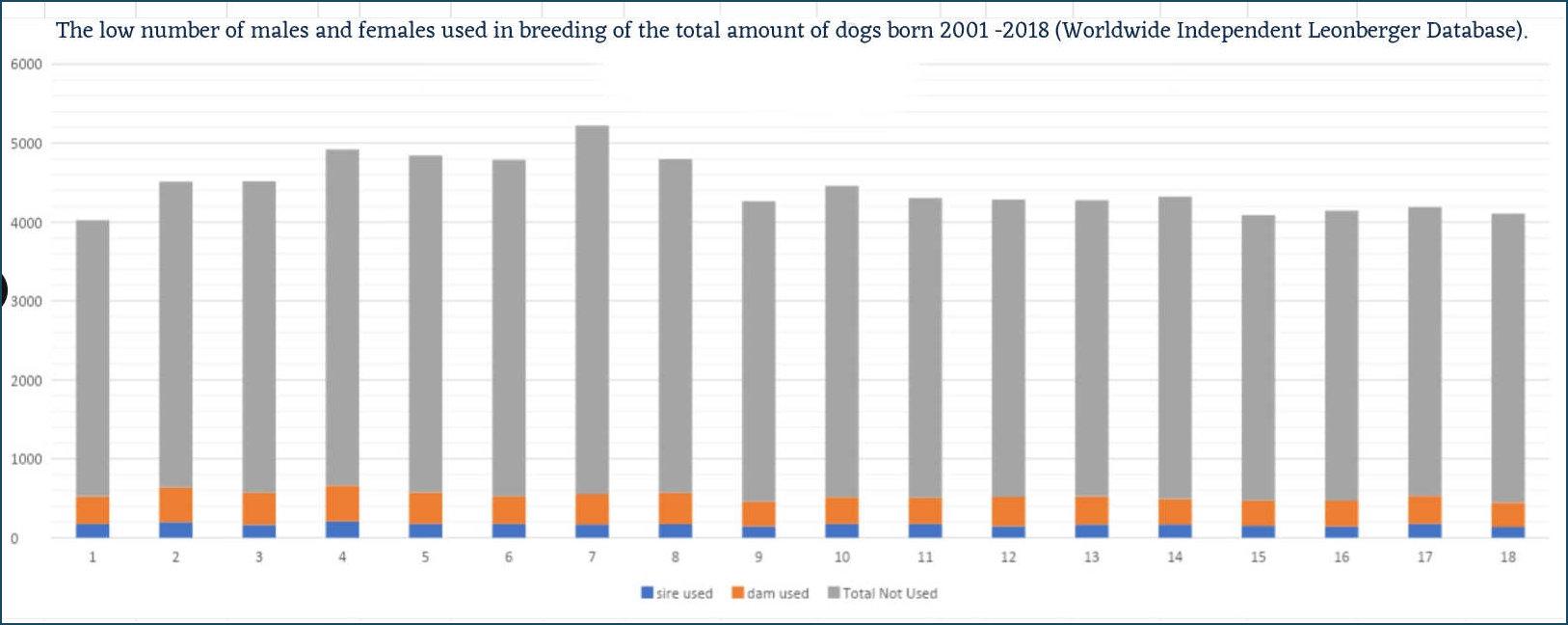
Percentage dogs in breeding

The good news?

We can do something about it.
By DLA testing our dogs, we gain valuable insights that help us make better breeding decisions.
It’s a powerful tool for creating healthier dogs – now and for the future.
Whether you’re a breeder or a dedicated dog owner, a DLA test is an investment in long-term health.
The more dogs we test, the better our chances of preserving genetic diversity in the breed and strengthening the immune system – a dog’s most vital defense.

Increase genetic diversity within the breeding population

When it comes to genetic variation, we can never truly increase it within a breed without introducing individuals from outside the breed.
However, with this type of testing we can slow down the loss of genetic diversity and do our utmost to preserve the variation that still exists within the breed.
With right choices, we can ensure the population we have remains and becomes genetically as varied as possible, making the future of the breed a bit brighter.
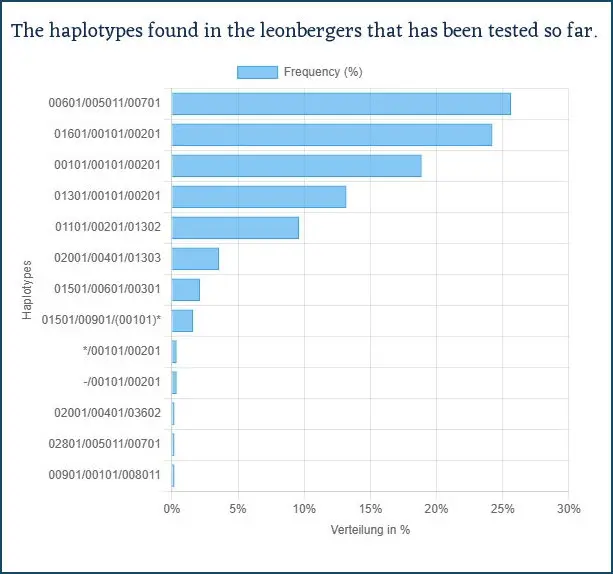
Haplo types in Leonbergers

The diagram shows different DLA haplotype combinations in tested Leonbergers.
A dog with two different variants (heterozygous) has more genetic diversity in its DLA genes than a dog with two identical ones (homozygous).
A dog that is homozygous in its DLA genes can still be a valuable contributor to breeding.
When mated with a dog carrying different DLA haplotypes, the offspring may become heterozygous and carry a broader genetic diversity in their immune system.
This way we help preserve and strengthen genetic diversity in the breed over time.
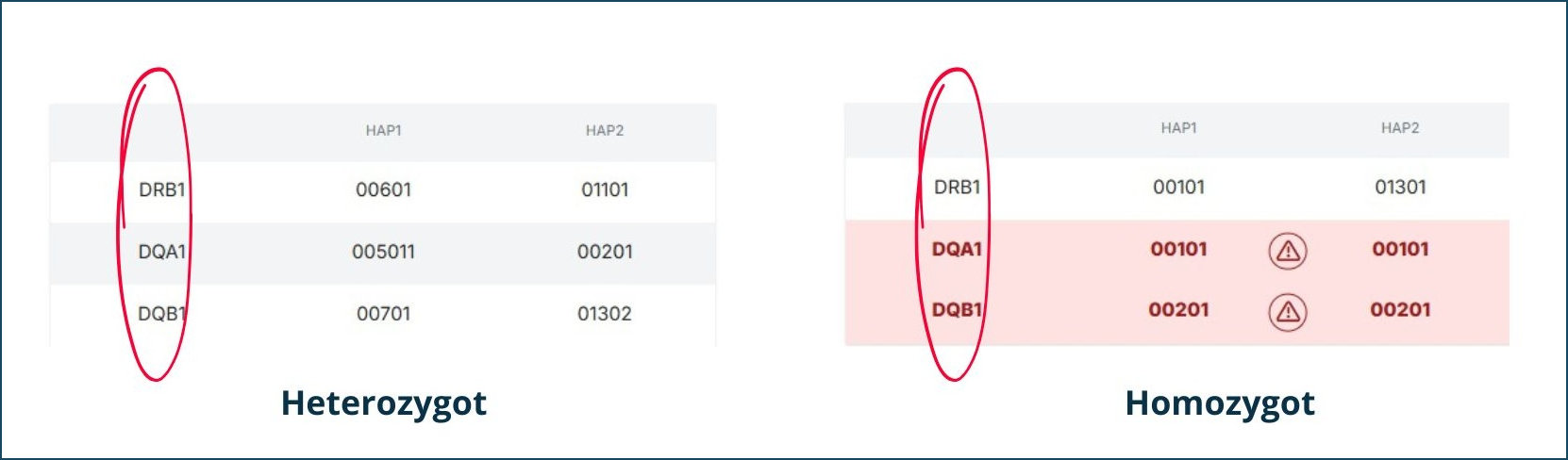
Heterozygote Homozygote

Curious to learn more about the test and how it works?

We’re happy to guide you! 
Click here

DNA test focusing on genetic variation – ARRAY test

An ARRAY test is an advanced DNA test that looks at over 230,000 genetic markers in each dog.
It gives us a very detailed picture of the dog’s genetic variation, relationship to other dogs, and level of inbreeding – things we can’t see in regular pedigrees.

Why is a regular pedigree not enough?

Pedigrees only show what we know about a dog’s lineage – not how genetically similar or different it actually is from others.
Two dogs can look unrelated in the pedigree, but still be almost identical genetically.
This risks producing offspring with low variation, which in turn increases the risk of disease, especially autoimmune diseases and cancers.
Many breeds today have few breeding animals, and there is a risk that we unknowingly breed too narrowly.
By using the ARRAY test, we can see which combinations are most valuable for the future based on the dog’s genetic information.
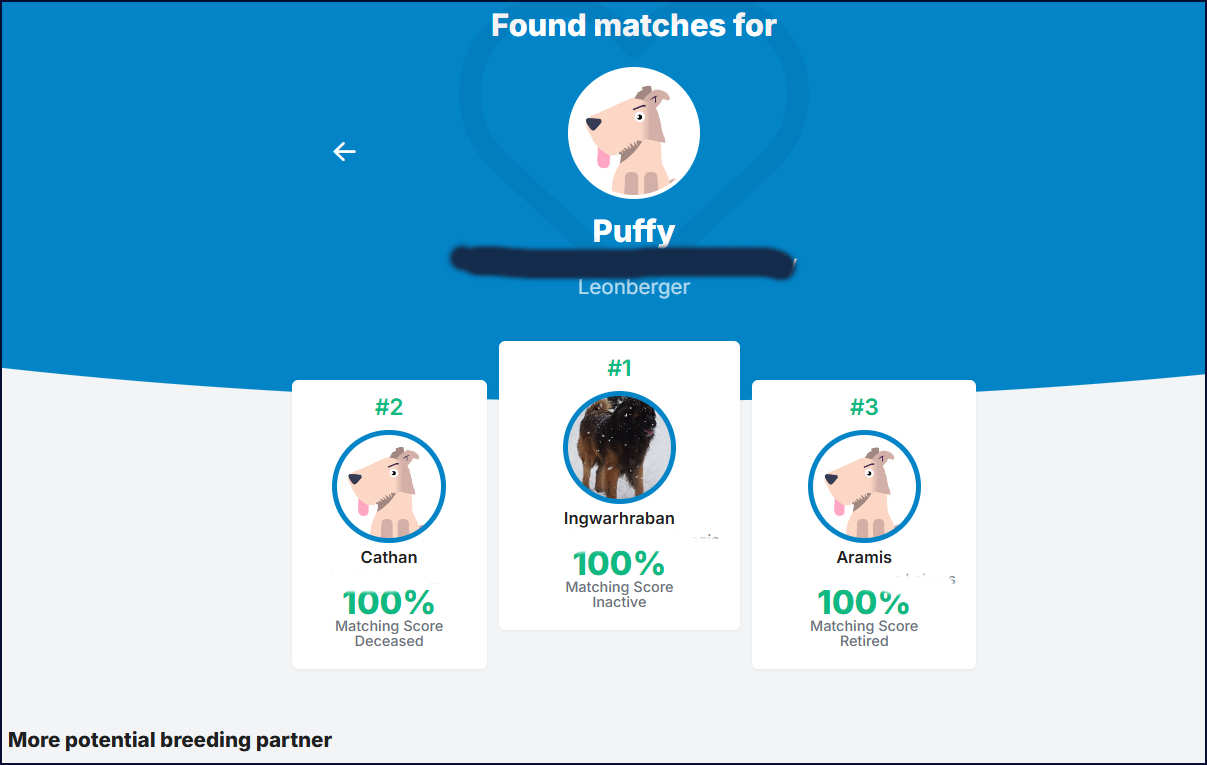
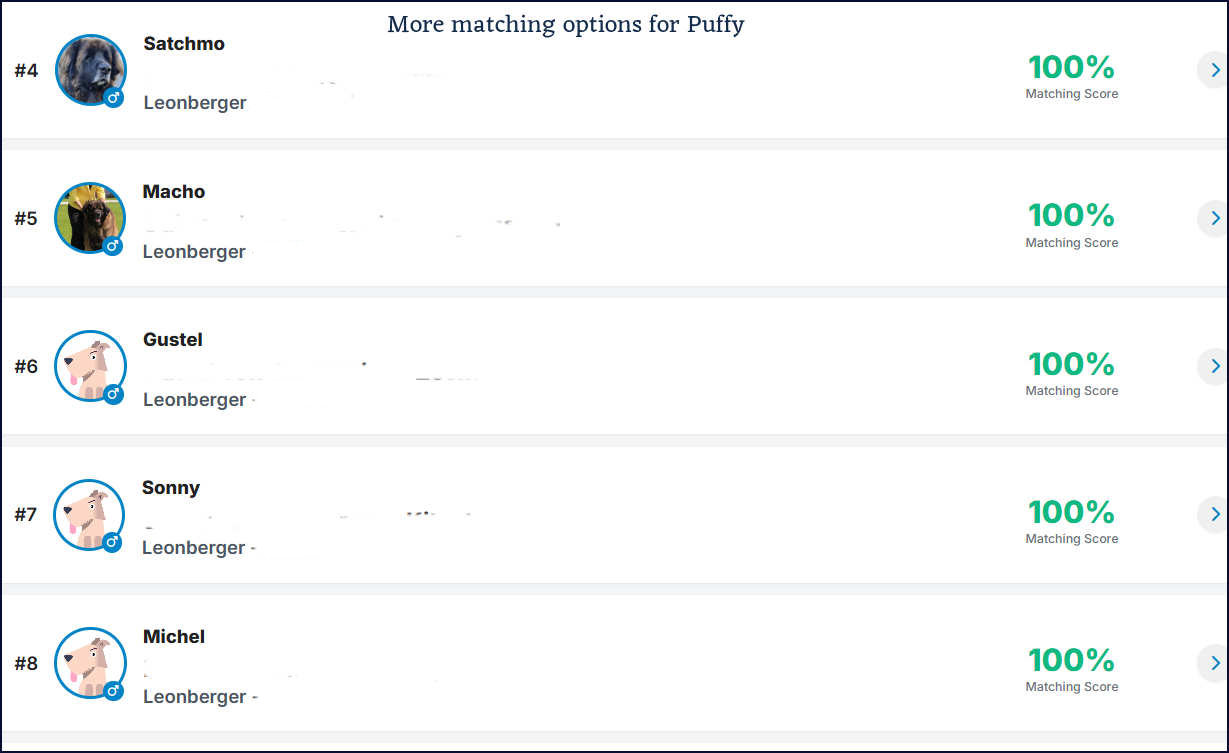
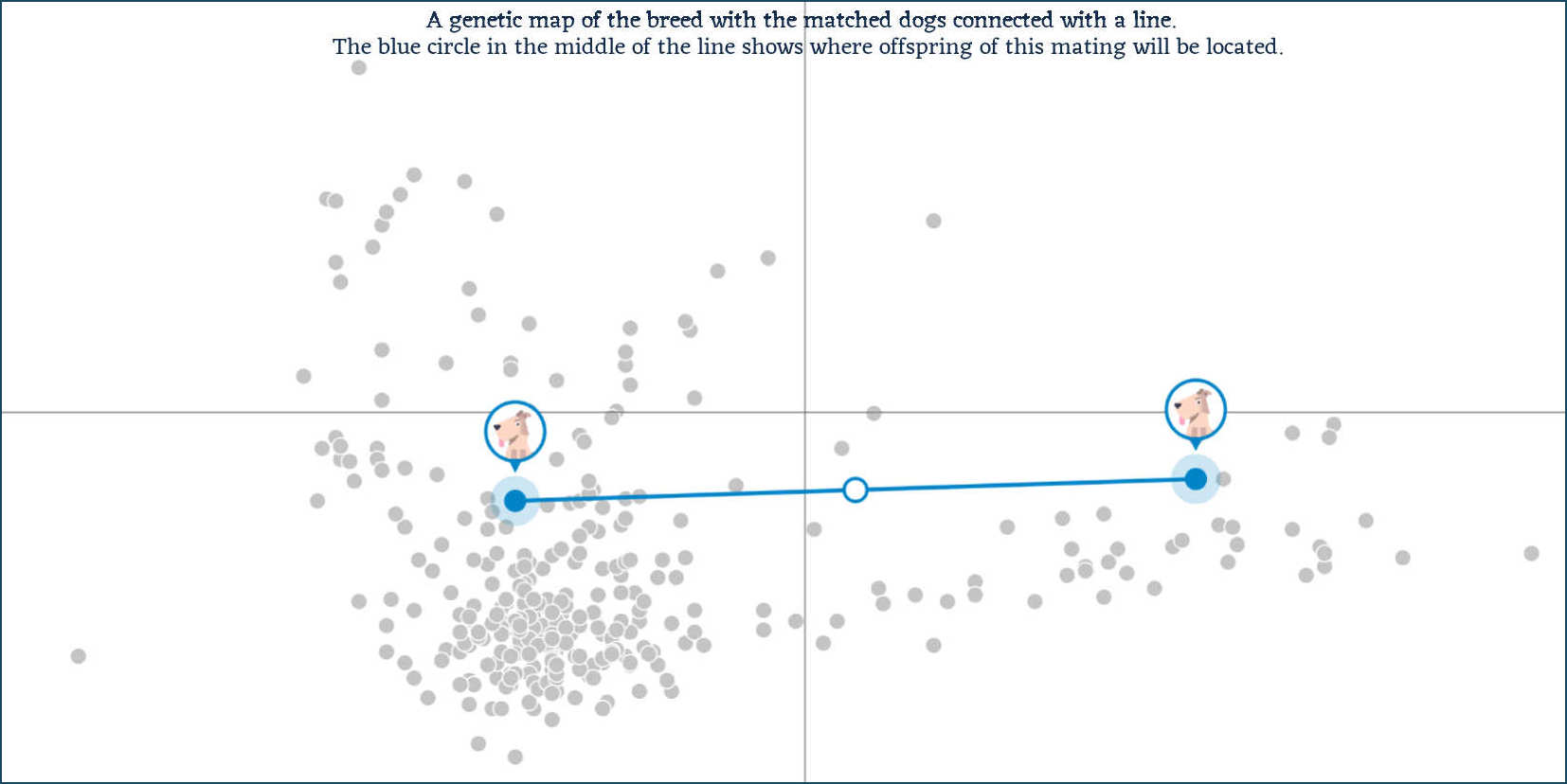
Having this information gives us access, through the Feragen Laboratory, to the Lions’ own Tinder – a matching tool.
The tool does not yet take into account any other health status but gives you suggestions for genetically suitable dogs, including contact details.
However, an update of the dogmatching tool is in the pipeline for 2025

Dogmatching graphic

Matching screenshot


Matching 2


How do I test my dog?

These tests are carried out in Austria on the initiative of the Austrian Leonberger Club (ÖCLH). In collaboration with the Feragen laboratory, they have started building a blood bank for our breed. It is also possible to do our other genetic tests at the Feragen Laboratory.
The tests require a blood sample (1–2 ml EDTA blood) or a cheek swab from your dog. After the sample is taken by a veterinarian, it is sent to the Feragen laboratory in Austria. You will receive the results a few weeks later and get access to Feragen’s database “My Feragen”, where you can view the results and use the dog matching tool.

Here you can find more information on how to do the tests:

Click here